


Tinnitus is often called ringing in the ears, but it can be buzzing, hissing, whistling or any sound.
Tinnitus can start for a number of reasons, and for some people have no obvious cause.
If you suspect you have tinnitus, then it’s important to talk to a medical professional before looking for products that can support or manage your particular type of tinnitus.
We are proud corporate members of Tinnitus UK, and highly recommend you visiting their website for further information and support.
Tinnitus is often more noticeable at night time, when the background noises of the day reduce to a minimum.
If your tinnitus is affecting your sleep, we have a range of products to sooth and calm internal noise.
From in ear and over ear white noise generators to desktop or bedside calming sound generators and sound pillows. our products will focus your mind and help you drift off into deep sleep.
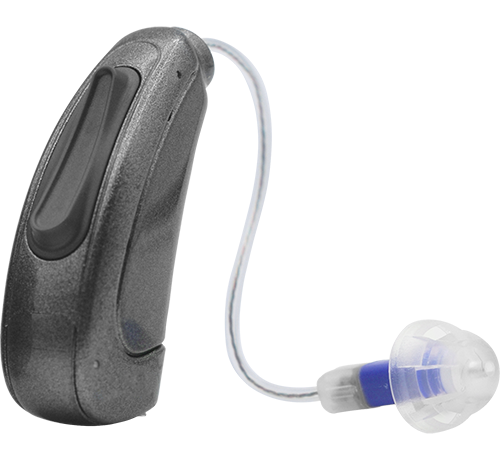
Highly discrete in-ear white noise generators with volume control to effectively suppress tinnitus symptoms.
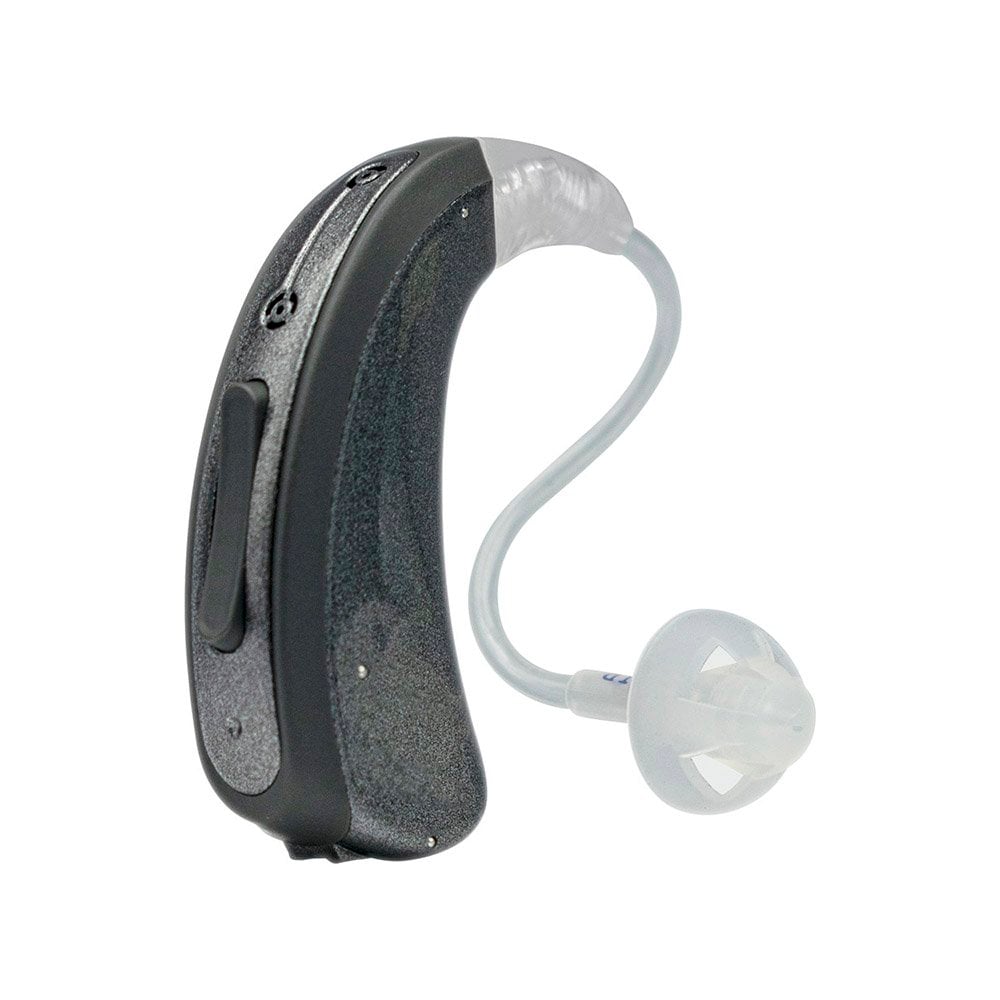
Behind-the-ear white noise generators with volume control to effectively suppress tinnitus symptoms.
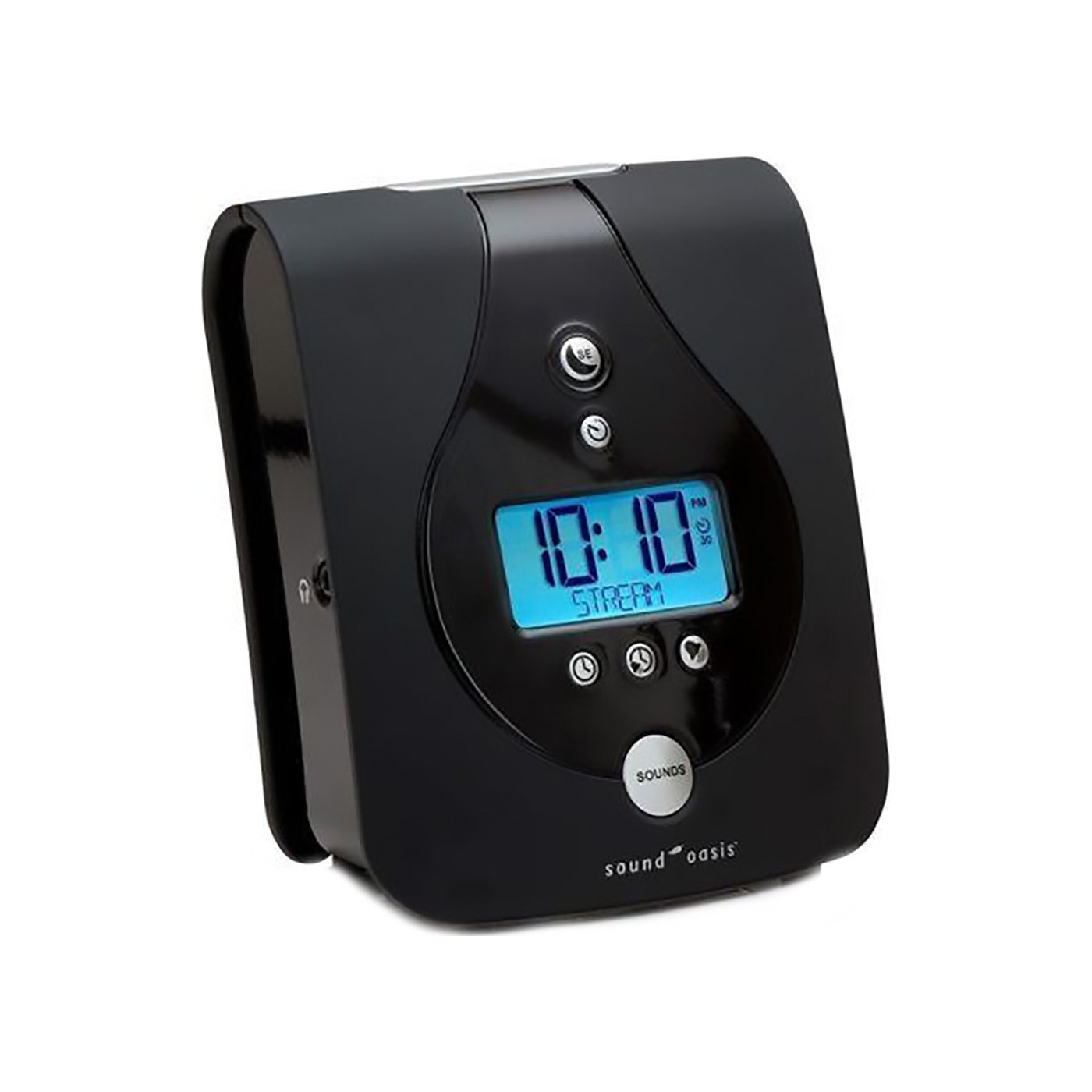
Sleep sound therapy devices for better sleep including sound generators, pillow speakers and eye masks.
| Cookie | Duration | Description |
|---|---|---|
| cookielawinfo-checkbox-analytics | 11 months | This cookie is set by GDPR Cookie Consent plugin. The cookie is used to store the user consent for the cookies in the category "Analytics". |
| cookielawinfo-checkbox-functional | 11 months | The cookie is set by GDPR cookie consent to record the user consent for the cookies in the category "Functional". |
| cookielawinfo-checkbox-necessary | 11 months | This cookie is set by GDPR Cookie Consent plugin. The cookies is used to store the user consent for the cookies in the category "Necessary". |
| cookielawinfo-checkbox-others | 11 months | This cookie is set by GDPR Cookie Consent plugin. The cookie is used to store the user consent for the cookies in the category "Other. |
| cookielawinfo-checkbox-performance | 11 months | This cookie is set by GDPR Cookie Consent plugin. The cookie is used to store the user consent for the cookies in the category "Performance". |
| viewed_cookie_policy | 11 months | The cookie is set by the GDPR Cookie Consent plugin and is used to store whether or not user has consented to the use of cookies. It does not store any personal data. |